
Top 5 Questions to Ask Your Roofing Contractor

Introduction
When your roof needs repair or replacement, choosing the right contractor can feel overwhelming. A quick online search may reveal dozens of roofing companies claiming to be the best, the fastest, or the most affordable. But as many homeowners eventually discover, not every contractor delivers the same level of quality, transparency, or reliability.
Your roof is one of the most critical components of your home. It protects your family, your belongings, and the structure of the house itself. Hiring the wrong contractor can lead to serious problems poor installation, unexpected costs, leaks, or even having to redo the entire project within a few years.
That’s why asking the right questions before hiring a roofing contractor is essential.
The good news is that experienced and trustworthy contractors are usually happy to answer detailed questions about their process, materials, warranties, and credentials.
In fact, how a contractor responds to your questions can reveal a lot about their professionalism and expertise.
In this guide, we’ll explore the top five questions every homeowner should ask a roofing contractor before signing a contract. These questions can help you avoid costly mistakes and ensure your roofing project is completed safely and professionally.
Overview of Hiring a Roofing Contractor
Roofing projects are a major investment for homeowners. Whether you're dealing with storm damage, an aging roof, or a full roof replacement, selecting the right contractor is just as important as choosing the right roofing materials.
Professional roofing contractors typically offer services such as:
Roof inspections
Roof repairs
Full roof replacement
Storm damage restoration
Roof ventilation upgrades
Gutter installation
But not all contractors operate at the same level of expertise or reliability. Some may lack proper licensing or insurance, while others might use lower-quality materials or cut corners during installation.
Asking thoughtful questions helps homeowners evaluate a contractor’s experience, work practices, and commitment to quality.
Why Asking the Right Questions Matters
Many roofing problems occur not because of poor materials, but because of poor installation or lack of contractor accountability.
When homeowners take time to ask the right questions, they gain several important advantages.
Better Contractor Evaluation
Detailed questions help identify whether a contractor truly understands roofing systems and best practices.
Clear Project Expectations
Understanding the contractor’s process helps prevent confusion about timelines, materials, and pricing.
Stronger Warranty Protection
Knowing what warranties are included ensures that your investment is protected in the long term.
Reduced Risk of Future Problems
Professional contractors who answer questions clearly and confidently are more likely to deliver quality work.
Common Problems Homeowners Face When Hiring Roofers
Many homeowners only realize they hired the wrong contractor after problems appear.
Here are some common issues that can arise when proper questions aren’t asked beforehand.
Unclear Project Costs
Some contractors provide vague estimates that lead to unexpected expenses later.
Poor Workmanship
Improper installation can cause:
Roof leaks
Loose shingles
Improper flashing
Reduced roof lifespan
Lack of Insurance Coverage
If a contractor is not properly insured, homeowners may be liable for injuries or property damage during the project.
Warranty Confusion
Some homeowners assume their roof is fully protected under warranty, only to learn later that certain issues are not covered.
Poor Communication
Contractors who avoid answering questions during the hiring process may also provide poor communication during the project itself.
Expert Tips Before Hiring a Roofing Contractor
Industry professionals often recommend following several best practices when evaluating roofing contractors.
Always Get Multiple Estimates
Comparing at least two or three estimates helps homeowners understand pricing and project scope.
Verify Credentials
Professional contractors should have:
Proper licensing
Liability insurance
Workers’ compensation coverage
Check Reviews and References
Customer reviews and testimonials provide insight into contractor reliability and quality of work.
Review the Contract Carefully
Before signing any agreement, ensure that the contract includes:
Project timeline
Materials used
Payment schedule
Warranty information
Top 5 Questions to Ask Your Roofing Contractor
Asking these five questions can help you determine whether a contractor is the right fit for your roofing project.
1. Are You Licensed and Insured?
This is one of the most important questions you can ask.
A reputable contractor should carry:
A valid contractor license (where required)
Liability insurance
Workers’ compensation insurance
These protections ensure that both homeowners and workers are covered if accidents occur during the project.
Never hesitate to ask for proof of insurance and licensing.
2. How Much Experience Do You Have With Roofing Projects?
Experience plays a major role in the quality of a roofing installation.
An experienced contractor will understand how to handle:
Roof ventilation systems
Flashing installation
Weatherproofing techniques
Structural roof repairs
Ask how long the company has been in business and what types of roofing projects they specialize in.
3. What Materials Do You Recommend for My Roof?
Different roofing materials offer different benefits depending on climate, budget, and home design.
A professional contractor should explain the advantages of various materials, such as:
Asphalt shingles
Architectural shingles
Metal roofing
Composite roofing
They should also help homeowners choose materials based on durability, energy efficiency, and long-term performance.
4. What Warranty Do You Provide?
Roof warranties typically fall into two categories:
Manufacturer warranty – Covers defects in roofing materials.
Workmanship warranty – Covers installation errors made by the contractor.
Ask the contractor:
How long the warranties last
What issues are covered
How warranty claims are handled
Clear warranty protection provides peace of mind.
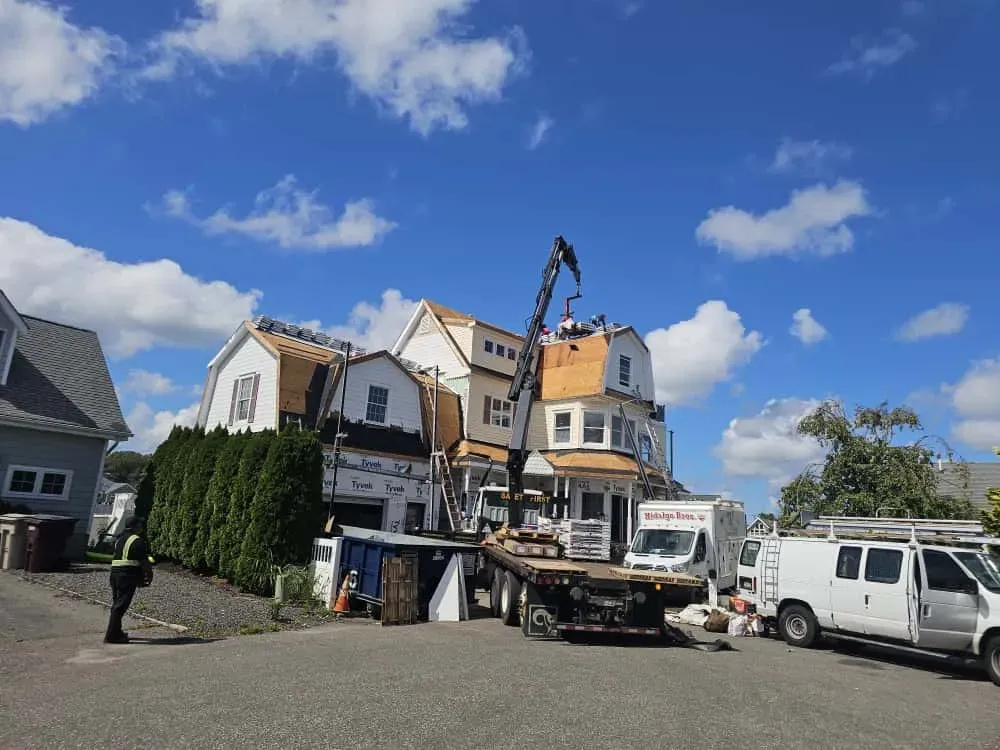
5. How Will You Protect My Property During the Project?
Roofing projects involve heavy materials and debris removal.
Professional contractors take steps to protect the property by:
Covering landscaping with protective tarps
Using dumpsters for debris disposal
Performing magnetic nail sweeps after completion
Cleaning the property thoroughly
Understanding the contractor’s cleanup and protection process helps prevent property damage.
Frequently Asked Questions
How many roofing estimates should I get?
Most experts recommend obtaining at least two or three estimates to compare pricing, materials, and contractor experience.
What is the average lifespan of a roof?
Asphalt shingle roofs typically last 20 to 30 years, depending on maintenance and weather conditions.
How long does roof replacement take?
Most residential roof replacements take one to three days, depending on roof size and weather.
Should I choose the lowest roofing estimate?
Not always. Extremely low prices may indicate lower-quality materials or inexperienced labor.
Do roofing contractors handle permits?
Many contractors handle permits and inspections required for roof replacement, but homeowners should confirm this during the hiring process.
Final Thoughts
Choosing the right roofing contractor is one of the most important decisions homeowners make when maintaining or upgrading their home.
By asking thoughtful questions about licensing, experience, materials, warranties, and property protection, homeowners can gain a clear understanding of what to expect from the roofing project.
These conversations not only help you evaluate contractors they also build trust and transparency before work begins.
A professional roofing contractor will welcome these questions and provide clear, confident answers. After all, a strong roof begins with strong communication.
Taking the time to ask the right five questions today can help ensure your roofing investment protects your home for decades to come.


Comments