How to Handle a Roof Leak Before It Damages Your Ceiling
What should you do first when a roof leaks?
Protect the room first: move belongings, put a bucket under the drip and keep everyone out from under a bulging ceiling. Then photograph the damage, trace the source from the attic if it is safe, and arrange the permanent repair. Do not go onto a wet or icy roof.
Water follows the path of least resistance, so the wet spot on the ceiling is rarely directly below the hole. A bulge that holds water can bring down a section of drywall, so a controlled release beats waiting.
This guide puts the steps in the order that does the least harm: contain the water, find the source, choose a temporary measure that suits your skills, and know when to stop.
How do you contain the water inside the house?
Containing the water limits damage while you work out the cause. Use these steps:
- Move furniture, rugs and electronics out from under the stain.
- Place a bucket or tub under any drip, with a towel inside to reduce splashing.
- If the ceiling bulges, keep people out of the room and do not puncture it; call a professional.
- Turn off light fixtures that are wet or dripping, and keep clear of them.
- Photograph the damage, with the date, for your records.
- Open windows or run a fan to start drying the area.
Safety comes before neatness. If water is dripping from a light or outlet, switch off the circuit at the panel and call an electrician. Do not stand under a ceiling that sags heavily.
How fast do you need to dry things out?
Dry wet materials as fast as you can. The Environmental Protection Agency says water-damaged areas and items should be dried within 24 to 48 hours to prevent mold growth, and warns that roof leaks can cause hidden mold in roof materials above ceiling tiles. Its guide to mold, moisture and your home lists where to look.
The EPA also advises that porous materials like ceiling tiles and carpet that stay wet should be discarded, and that you should not paint or caulk over mold. If the affected area is larger than about 10 square feet, or the water damage is significant, it recommends consulting a professional experienced in mold cleanup.
Good drying practice means opening the ceiling cavity if insulation has soaked, running fans and a dehumidifier, and keeping indoor humidity below 60 percent, ideally 30 to 50 percent.
How can you trace where the leak starts?
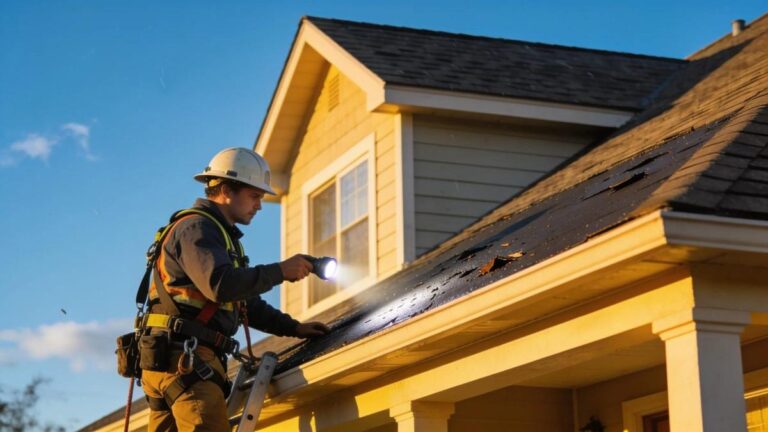
Start in the attic with a flashlight, on a dry day if possible. Follow stains, wet insulation or darkened wood uphill, because water runs down the underside of the roof deck before it drips. Check the areas around penetrations first.
Common starting points include:
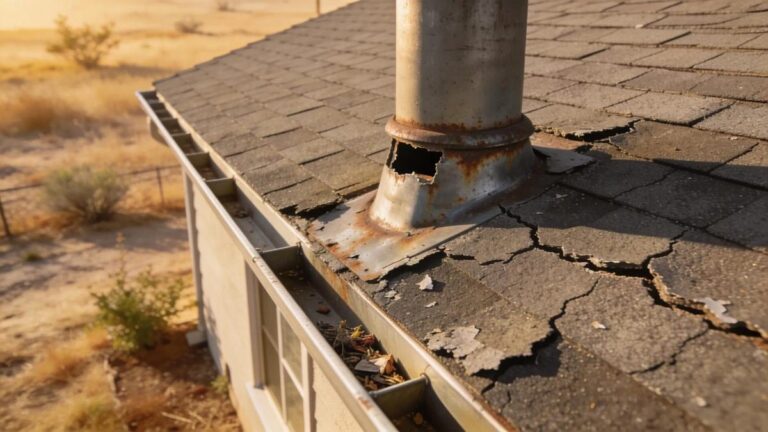
- Plumbing vent boots, which crack with age. Our guide to a cracked pipe boot leak explains why.
- Chimney and wall flashing, where metal meets masonry or siding.
- Valleys, where two roof planes meet and carry more water.
- Exposed or backed-out nails.
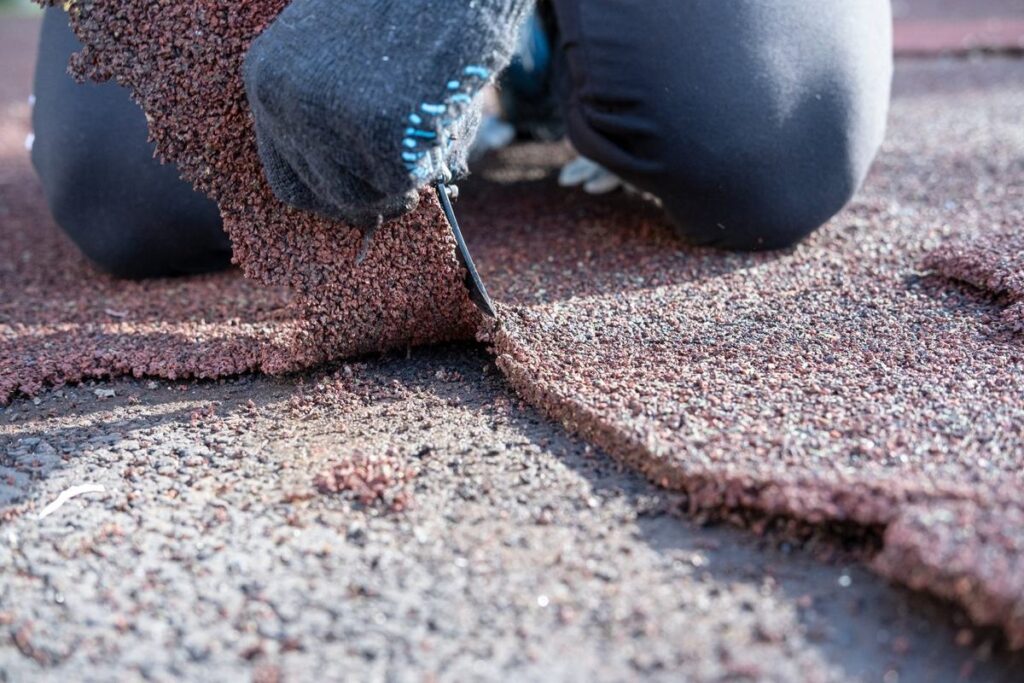
- Missing, cracked or lifted shingles.
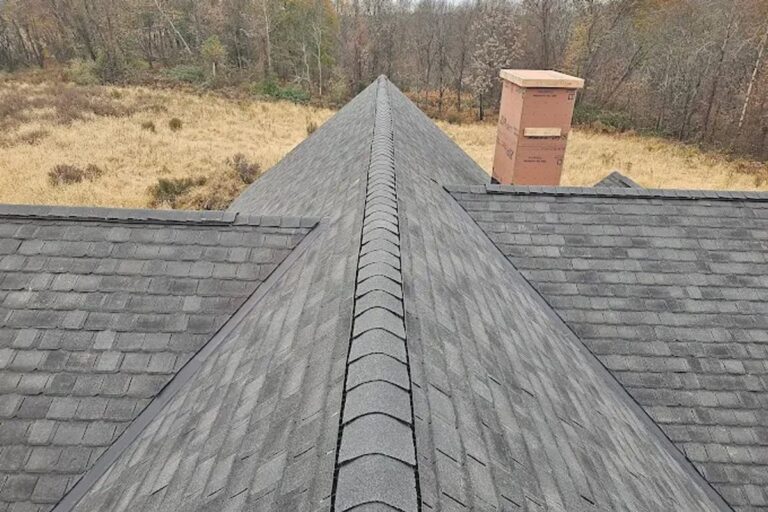
Fixr’s 2026 repair guide notes that most leaks start around chimneys, vents and other roof penetrations. See its roof leak repair guide. If the attic shows nothing, look from the yard with binoculars, noting anything missing or lifted.
A leak that appears only in a thaw, or only with wind-driven rain, points to flashing, ice or a small gap rather than a large hole. The Asphalt Roofing Manufacturers Association explains that ice dams form when melting snow refreezes at the eave, and that water can be forced under roofing materials. The National Oceanic and Atmospheric Administration notes that nor’easters bring heavy snow, sleet or freezing rain and strong winds, as described in its State Climate Summary for New Jersey, which is why storm-driven leaks often show up at the same spot each season.
Which temporary measures actually hold?
Temporary measures buy time, but they do not replace a repair. A tarp that extends well beyond the damaged area and is secured to a solid anchor is the standard stopgap. Sealant or roof cement on a small, dry, accessible crack can also slow a drip, but it is a patch.
| Option | What it does | Limits |
|---|---|---|
| Interior bucket and ceiling relief | Protects the room and releases trapped water | Does not stop water entering |
| Tarp over the damaged area | Keeps rain off the opening | Needs safe roof access and secure anchors |
| Roof cement or sealant on a small gap | Slows a drip at a crack or nail | Needs dry surface; temporary |
| Replacing a few shingles | Restores the weather surface | Skill and safe footing needed |
| Professional repair | Fixes cause, flashing and underlayment | Needs scheduling and a written scope |
Cold changes the picture, because sealants and shingle adhesives need dry, workable surfaces. Our guide to roof repairs in winter explains what can be done in the cold.
Why should you stay off the roof?
Falls cause the most serious harm in roof work. The National Institute for Occupational Safety and Health reports that more than 100 people die each year in the United States from ladder-related falls and thousands more are injured, with an incorrect ladder angle behind about 40 percent of cases. Its ladder safety page advises a 75-degree setup, extending the ladder 3 feet above the edge and staying at least 10 feet from power lines.
A wet, mossy, frosted or steep roof is slick even for a trained roofer. If you cannot reach the damage from a ladder placed at the eave, leave the work to a crew with fall protection. Never go up during a storm or in high wind.
From the ground, binoculars and a phone with a zoom lens can document the problem. A set of clear photos helps the estimator choose the right tools and materials before arriving.
What does a permanent repair involve?
A permanent fix replaces the failed part and restores the water path. Depending on the cause, that may be new flashing, a new pipe boot, resealing or replacing nails, replacing damaged shingles and underlayment, or rebuilding a section of the deck where the wood has softened.
Hidalgo Brothers handles residential roof repair across Morris County. After a free estimate and written quote, we plan the work, repair to code and manufacturer specifications, clean up and walk you through the result. Read about roof repair and how we handle storm damage to roofs.
If the leak keeps returning, or the roof is old with many failures, a repair may be a short-term step. Ask the estimator for an honest read on remaining life. Our roof replacement page describes the full-roof option.
When should you stop and call a roofer?
Call a roofer when any of these apply:
- The leak is active, and you cannot find the source.
- The ceiling is bulging, sagging or has multiple stains.
- The roof is steep, wet, icy or more than one story up.
- Flashing, valleys or chimneys are involved.
- The same spot has leaked more than once.
- You see daylight in the attic or sagging in the decking.
Photograph the damage, keep receipts for any temporary work and check your own policy terms if you think a covered event occurred. Then request a quote through the contact page.
Frequently asked questions
Can I patch a roof leak from inside?
Not really. From the attic you can find the source and place a pan under a drip, and some owners apply sealant to a pipe or nail penetration. But shingles, flashing and underlayment sit outside, so a lasting repair is made from the roof surface.
Why does my ceiling stain appear away from the leak?
Water runs along rafters, sheathing and pipes before it drips. The stain may be several feet from the entry point. That is why attic tracing starts uphill from the stain and checks every penetration along the line.
Is a ceiling bulge dangerous?
It can be. Trapped water adds weight to drywall, and it may collapse. Place a container under the bulge, keep people and pets out of the room and call a professional. Do not puncture the ceiling yourself, because a large volume can release at once and the water may be near wiring or lights.
Will mold grow after a roof leak?
It can if materials stay wet beyond 24 to 48 hours. Dry the area fast, discard soaked porous materials such as ceiling tiles, and watch for musty odors or discoloration. Larger or hidden contamination may call for a professional.
Does roof cement fix a leak for good?
Rarely. It can seal a small gap for a while, but sun, cold and movement crack it again. Treat it as a stopgap and have the cause corrected. Do not spread sealant over a wet surface or smear it across several shingles.
What should I tell the roofer?
Share when the leak started, whether it appears in rain, wind or thaw, where the stains are and any past repairs. Send photos of the ceiling and attic. Details like these help the estimator plan the visit and compare findings.
Sources and further reading
- EPA: A Brief Guide to Mold, Moisture and Your Home (accessed 2026-11)
- Fixr: Roof Leak Repair Guide (accessed 2026-11)
- NIOSH: Ladder Safety (accessed 2026-11)
- ARMA: Preventing Damage from Ice Dams (accessed 2026-11)
- NOAA NCICS: State Climate Summary for New Jersey (accessed 2026-11)