Winter-Ready Home: Roof, Gutters and Deck Prep for the NJ Freeze
What should you do before the first New Jersey freeze?
Before the first hard freeze, clear the gutters and downspouts, look over the roof edge and attic, remove debris and furniture from the deck, and check for loose boards or railings. These checks cost little and catch problems that cold weather turns into leaks, ice dams and slip hazards.
A short order of work helps. Do the gutters after the leaves drop, because there is no point cleaning twice. Check the roof from the ground with binoculars. Look at the attic on a cold, bright morning. Then walk the deck and note what needs repair before snow covers it.
The sections below cover each system, then the habits that keep them in shape through February.
What does a New Jersey winter actually do to a house?
New Jersey winters mix freezing temperatures, nor’easters and rain on snow, which is a hard combination for exterior surfaces. The National Oceanic and Atmospheric Administration describes nor’easters as cold-season coastal storms that can bring heavy snow, sleet or freezing rain and strong winds. Its State Climate Summary for New Jersey gives winter lows (1991 to 2020 averages) from below 20 degrees Fahrenheit in the northwest to above 30 along the coast, and says high-elevation areas in the northwest average near 30 inches of snow a year.
The same summary records a January 31 to February 2, 2021 storm with snowfall rates of 2 to 4 inches per hour and widespread 2-foot totals. Morris County falls between the highlands and the coast, so treat those figures as regional markers.
Repeated freezing and thawing is the real stress. Water enters small gaps, freezes, expands and widens them. That is why a hairline crack in October can be a leak by February.
How do you prepare the roof for freezing weather?
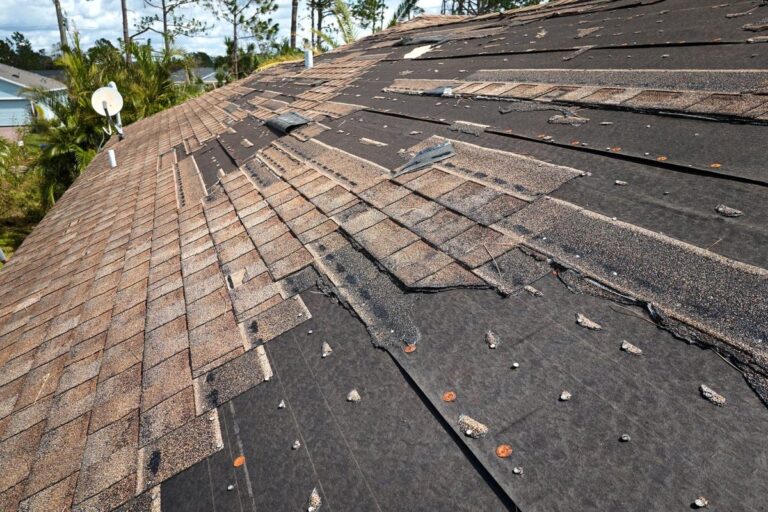
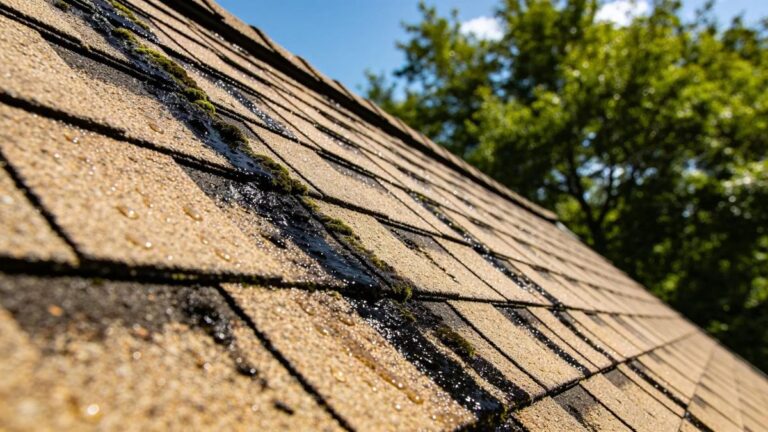
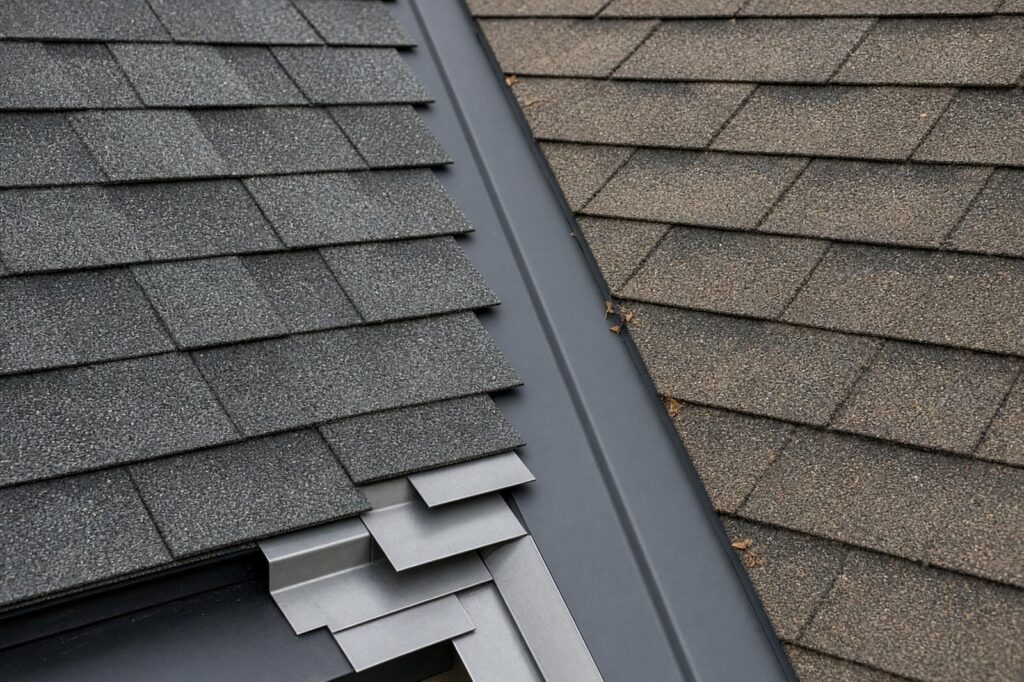
Start with what you can see from the ground, then look inside the attic. From the yard, scan for missing or lifted shingles, exposed nail heads, damaged flashing around chimneys and vents, and sagging at the ridge. Stay off the roof. A cold roof is slippery, and a fall is a larger risk than any leak.
In the attic, look for these signs:
- Damp or stained sheathing around penetrations
- Frost on the underside of the roof deck
- Daylight at flashing or vent pipes
- Insulation that is compressed, wet or missing near the eaves
- Eave vents blocked by insulation
The Asphalt Roofing Manufacturers Association (ARMA) says ice dams form from repeated thawing and refreezing of melting snow, and that homeowners should insulate the attic from the warm house, keep it ventilated, including baffles near the eaves so airflow is not blocked, and confirm an ice dam protection layer at the eaves. See ARMA’s guidance on preventing damage from ice dams.
ENERGY STAR says attic air sealing and insulation can provide up to a 10 percent savings on annual energy bills, according to its seal and insulate guidance.
If the roof edge or flashing looks worn, our roof inspections and maintenance page explains what an inspection covers. You can also read how to judge whether a roof can be repaired in winter.
How do you prepare gutters for winter?
Clean them after the last leaves fall, flush the downspouts and check that water leaves the system freely. Frozen slush that backs up in a clogged trough pushes water under the first row of shingles. ARMA also recommends keeping the gutters and downspouts clear of debris.
A short checklist:
- Remove leaves and grit by hand and flush with a hose.
- Confirm water runs out of every downspout and away from the foundation.
- Tighten loose hangers and reseal any leaking joints.
- Look at the fascia behind the trough for soft spots.
- Check that the downspout extension is not blocked by soil or leaves.
The U.S. Department of Energy advises sending downspout water to a sloping grade more than 5 feet from the foundation. See its page on foundation drains, gutters and downspouts. Our gutter page covers repair and replacement, and our post on gutter guards in winter explains what a cover can and cannot do in a freeze.
How do you prepare a deck for winter?
Clear leaves and debris, remove furniture and planters, and check for loose boards, wobbly railings and exposed fasteners. Debris holds moisture against the boards, which speeds up wear in a freeze. Plan snow removal now, so you know which tools to use.
Method depends on the material. TimberTech says snow can generally stay on a capped composite deck because the caps are moisture-resistant. For clearing a path, use a plastic shovel, since metal shovels and plastic ones with metal edges can damage boards. Use calcium chloride rather than rock salt, avoid tinted ice melts and ice-chipping tools, and skip sand, which wears away the grain pattern. Read TimberTech’s winter decking care tips and follow the care guide for your own product.
For a wood deck, the same cautions about scraping apply, and fall is the time to fix loose boards and railings before snow hides them. Our deck repairs page explains what that work includes, and you can read about staining a deck in fall.
What goes on a quick winter checklist?
Use this table as a one-page plan. The task is simple, but the timing matters.
| Area | Task | When | Why it matters |
|---|---|---|---|
| Gutters | Clean, flush, check downspouts | After leaves drop | Prevents slush backup and ice |
| Roof edge | Scan from the ground | Fall and after storms | Spots lifted shingles and flashing |
| Attic | Check for frost, damp, blocked vents | Cold mornings | Reveals heat loss and leaks |
| Fascia and soffit | Probe for soft wood | Fall | Finds rot before it spreads |
| Deck | Clear debris, tighten railings | Before first snow | Prevents slips and board damage |
| Downspouts | Extend discharge 5 feet or more | Fall | Keeps meltwater away from foundation |
What should you avoid doing in winter?
Several common habits cause more harm than they prevent.
- Do not climb onto an icy roof to chip ice or shovel snow.
- Do not chop at ice dams with a hammer or shovel, which can tear shingles.
- Do not pile snow against siding, where it melts into the wall.
- Do not use metal shovels or ice picks on a composite deck.
- Do not ignore a stain on the ceiling because it appears only during a thaw.
If water is entering the home, move belongings, contain drips and take photos. The Environmental Protection Agency says water-damaged areas should be dried within 24 to 48 hours to prevent mold growth. Read the EPA guide to mold, moisture and your home.
What to expect when you ask for a winter check
Hidalgo Brothers works on residential roofing, siding, gutters and decks in Morris County and nearby counties. When you ask for a look at the roof, gutters or deck before winter, we follow our usual process: a free, written estimate, planning to confirm the details, work done to code and manufacturer specifications, cleanup with a walkthrough, and ongoing support.
Bring photos of anything that concerns you, with dates. Tell us when you first noticed it, whether it changes in rain or thaw, and which rooms show staining. Start on the free estimate page, and if you are in Morris County, see our Morris County service area page.
Frequently asked questions
When should I clean gutters before winter?
Wait until most leaves have fallen, usually in late fall, then clean once thoroughly. Cleaning too early means doing it again. Finish before the first lasting freeze so water can drain. Check the downspouts too, because a frozen plug keeps the whole trough full.
What causes ice dams?
Ice dams form when heat from the house warms the roof, melts snow, and the meltwater refreezes at the colder eave. A clogged gutter can add to the problem. Sealing and insulating the attic and keeping it ventilated reduces the melting that starts the cycle.
Can I shovel snow off my roof?
It is risky. Roofs are slippery in winter, and shovels can damage shingles. Ground-level tools can reach the lowest few feet on some homes, but ladders on snow or ice are unsafe. For heavy accumulation or signs of stress, ask a professional about options.
Should I cover my deck for winter?
Most decks do not need a cover. Clear debris and furniture, follow the manufacturer’s snow and ice guidance, and fix loose boards or fasteners before snow. Tarps can trap moisture against the surface and cause staining or mildew, so ask your decking manufacturer before covering one.
Is rock salt safe on my deck?
It depends on the product. TimberTech advises calcium chloride and avoiding rock salt for its capped composite boards, and manufacturers differ. Check your product’s care guide. Whatever you use, rinse the deck in spring to remove residue, and avoid tinted melts that can stain.
How can I tell if my attic is losing heat?
Look for frost on the underside of the roof deck on a cold morning, melted patterns in snow on the roof, or icicles along the eaves while neighboring houses stay clear. Thin or uneven insulation and gaps around penetrations are common causes. An inspector can check the details.
Sources and further reading
- NOAA NCICS: State Climate Summary for New Jersey (accessed 2026-11)
- ARMA: Preventing Damage from Ice Dams (accessed 2026-11)
- ENERGY STAR: Seal and Insulate with ENERGY STAR (accessed 2026-11)
- U.S. Department of Energy: Foundation Drain, Gutters and Downspouts (accessed 2026-11)
- TimberTech: Let It Snow, Decking Care Tips for Winter (accessed 2026-11)
- EPA: A Brief Guide to Mold, Moisture and Your Home (accessed 2026-11)