
Vinyl vs Fiber Cement vs Wood Siding: Which Is Best for NJ Homes?


Introduction
Walk through almost any neighborhood in New Jersey and you’ll notice something interesting: homes may look similar in shape, but their siding tells very different stories.
Some houses have crisp vinyl siding that still looks new after years of weather. Others showcase the classic charm of real wood. And increasingly, many homes feature fiber cement siding a material known for durability and resistance to the harsh Northeast climate.
If you're a homeowner planning a renovation or building a new home, choosing the right siding can feel overwhelming. Between vinyl, fiber cement, and wood, each material has its own strengths, costs, maintenance requirements, and long-term performance.
And in New Jersey, siding isn’t just about appearance it must withstand humidity, coastal storms, heavy rain, snow, and seasonal temperature swings. So which option is actually best?
In this guide, we’ll break down the pros and cons of vinyl siding, fiber cement siding, and wood siding, helping you choose the best solution for your NJ home based on durability, cost, maintenance, and long-term value.
Overview of Vinyl, Fiber Cement, and Wood Siding
Before diving into comparisons, it's helpful to understand what makes each siding type unique.
Vinyl Siding
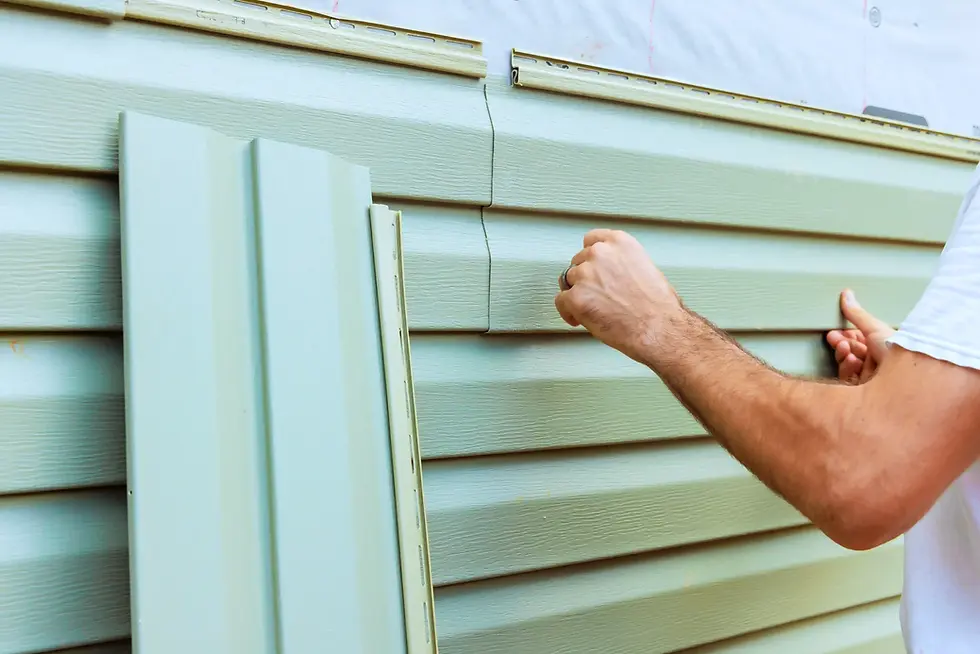
Vinyl siding is one of the most popular exterior materials in the United States, especially in the Northeast.
It is made from PVC (polyvinyl chloride) and designed to replicate the look of traditional wood siding while requiring far less maintenance.
Key characteristics:
Affordable installation
Wide variety of colors and textures
Resistant to rot and insects
Minimal maintenance requirements
Vinyl is commonly chosen by homeowners who want a cost-effective and low-maintenance exterior.
Fiber Cement Siding
Fiber cement siding is a composite material made from:
Cement
Sand
Cellulose fibers
This combination creates a highly durable siding that mimics the look of wood but performs much better in harsh weather.
Many contractors in New Jersey recommend fiber cement because it offers:
Exceptional durability
Fire resistance
Long lifespan
Realistic wood appearance
It’s often considered the premium alternative to vinyl.
Wood Siding
Wood siding remains one of the most beautiful exterior finishes available.
It has been used on homes for centuries and provides a natural aesthetic that many homeowners still prefer.
Common wood siding types include:
Cedar
Pine
Redwood
Clapboard
Shingles
While wood offers timeless charm, it requires regular maintenance and protection from moisture.
Why This Matters for New Jersey Homes
Choosing siding in New Jersey isn’t just about style it's about weather performance.
The region experiences several environmental challenges:
Humid summers
Freezing winters
Heavy rainstorms
Snow and ice
Coastal salt exposure
Temperature fluctuations
Poor siding choices can lead to problems such as:
Moisture intrusion
Rot and mold
Warping and cracking
Energy inefficiency
Expensive repairs
That’s why many experienced contractors emphasize choosing siding materials that are durable, moisture-resistant, and low maintenance.
A siding upgrade can also dramatically improve curb appeal and property value, especially if you're planning to sell your home.
Common Problems Homeowners Experience With Siding
Understanding common siding issues can help you make a smarter decision before investing thousands of dollars into your home exterior.
1. Moisture Damage
New Jersey’s humidity and rainfall can cause major problems for siding materials that absorb water.
Wood siding is especially vulnerable to:
Rot
Mold growth
Structural deterioration
Fiber cement and vinyl perform better in high-moisture environments.
2. Fading and Color Loss
Constant sun exposure can fade siding over time.
Vinyl siding may lose color after years of UV exposure, while painted wood siding may require repainting every few years.
Fiber cement siding typically holds paint longer.
3. Pest Damage
Wood siding can attract:
Termites
Carpenter ants
Woodpeckers
Vinyl and fiber cement are not susceptible to insect damage.
4. Maintenance Burden
Many homeowners underestimate the maintenance required for certain materials.
For example:
Wood siding requires painting or staining
Sealing may be needed every few years
Repairs can be expensive
Vinyl siding generally requires only occasional cleaning or power washing.
Expert Tips When Choosing Siding for NJ Homes
When evaluating siding materials, experienced contractors usually recommend focusing on these key factors.
Consider Long-Term Maintenance
Initial cost is important, but maintenance expenses over 20–30 years can add up.
Vinyl: lowest maintenance
Fiber cement: moderate maintenance
Wood: highest maintenance
Evaluate Weather Resistance
Because of New Jersey’s climate, siding should resist:
Moisture
Wind damage
Freeze-thaw cycles
Fiber cement performs exceptionally well in these conditions.
Think About Curb Appeal
Siding has a huge impact on how your home looks.
If visual appearance is a top priority:
Wood offers natural beauty
Fiber cement provides a realistic wood look
Vinyl offers many color choices
Consider Home Value
Real estate professionals often note that siding upgrades can improve resale value.
Fiber cement and wood siding may increase perceived value more than vinyl in certain neighborhoods.
Vinyl vs Fiber Cement vs Wood: Step-by-Step Comparison
Let’s break down how these siding materials compare across the factors that matter most to homeowners.
Step 1: Cost Comparison
Approximate installed cost per square foot:
Vinyl siding: $6 – $10
Fiber cement siding: $10 – $15
Wood siding: $12 – $20+
Vinyl is typically the most affordable option, while wood is often the most expensive.
Step 2: Durability
Expected lifespan:
Vinyl: 20–30 years
Fiber cement: 30–50 years
Wood: 20–40 years (with maintenance)
Fiber cement tends to offer the best durability overall.
Step 3: Maintenance Requirements
Maintenance expectations:
Vinyl siding:
Occasional washing
Rare repairs
Fiber cement siding:
Repainting every 10–15 years
Periodic inspection
Wood siding:
Regular staining or painting
Moisture protection
Potential repairs for rot
Step 4: Weather Resistance
For NJ weather conditions:
Vinyl: Good resistance but can crack in extreme cold
Fiber cement: Excellent resistance to moisture and temperature swings
Wood: Vulnerable to moisture without proper maintenance
Fiber cement is often considered the most weather-resistant option.
Step 5: Appearance
Visual appeal varies by homeowner preference.
Vinyl siding:
Wide color selection
Less natural appearance
Fiber cement:
Highly realistic wood texture
Clean, upscale look
Wood siding:
Authentic natural beauty
Classic architectural style
Frequently Asked Questions
Is vinyl siding good for New Jersey weather?
Yes, vinyl siding performs well in New Jersey and is widely used because it is affordable, low maintenance, and resistant to moisture. However, extreme cold can occasionally make vinyl brittle.
What siding lasts the longest?
Fiber cement siding typically lasts the longest, with a lifespan of 30–50 years or more when properly maintained.
Is wood siding worth the maintenance?
Wood siding can be worth it for homeowners who prioritize natural beauty and traditional architecture.
However, it requires consistent upkeep to prevent moisture damage.
Does siding increase home value?
Yes. Replacing old siding can improve curb appeal, energy efficiency, and resale value, especially when high-quality materials like fiber cement are used.
Which siding requires the least maintenance?
Vinyl siding requires the least maintenance.
Most homeowners only need to clean it occasionally using a hose or professional power washing.
Final Thoughts
Choosing between vinyl, fiber cement, and wood siding ultimately depends on your priorities as a homeowner. If you want the most affordable and low-maintenance option, vinyl siding is a practical choice. If you’re looking for maximum durability and long-term performance, fiber cement siding is often considered the best overall solution.
And if you love the timeless character of natural materials, wood siding still offers unmatched charm as long as you're willing to maintain it.
For New Jersey homeowners facing humidity, storms, and seasonal weather extremes, durability and moisture resistance should always be top considerations.
Before making a final decision, it’s wise to consult with an experienced siding contractor who understands local climate conditions and can recommend the best option for your home’s design, budget, and long-term goals.
After all, the right siding isn’t just about appearance it’s about protecting your home for decades to come.


Comments