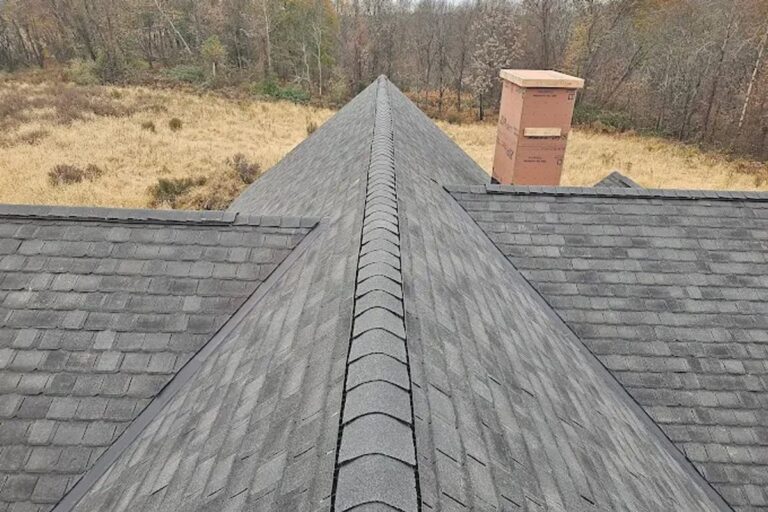
How to File a Roofing Insurance Claim: Tips for New Jersey Homeowners
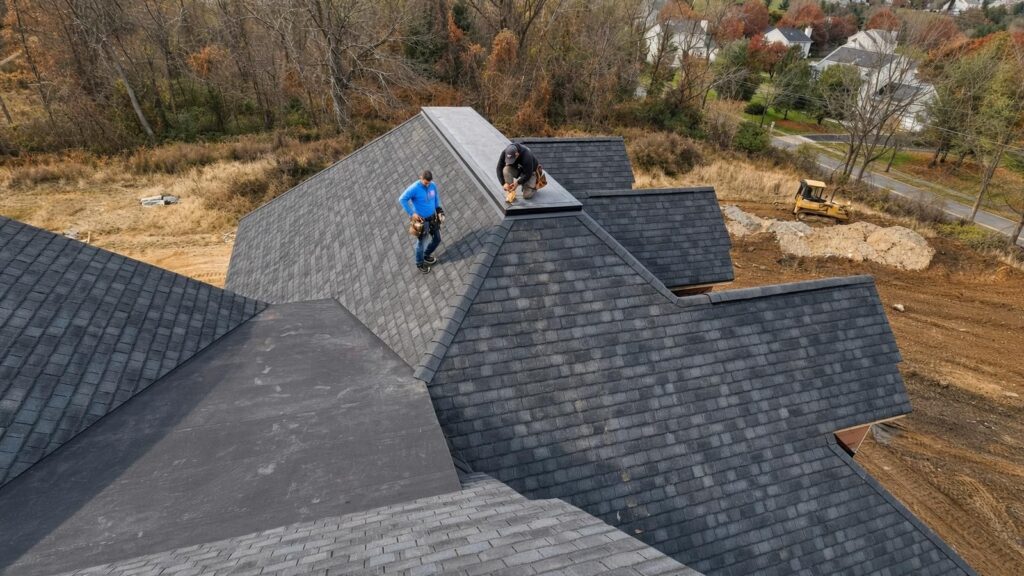
How do you file a roof damage insurance claim in New Jersey?
Call your insurance agent or company as soon as you can, with your policy number ready. Make temporary repairs that stop more damage, keep every receipt, photograph the roof and interior before anything is moved, and cooperate with the adjuster the insurer assigns. The New Jersey Department of Banking and Insurance (DOBI) publishes this same sequence for storm losses.
Everything below is general homeowner guidance. Your policy controls what is covered, and Hidalgo Brothers is a contractor, not an insurer, adjuster or public adjuster. We give free written estimates for repair or replacement work and do not negotiate with insurance companies on your behalf.
What does a homeowners policy usually cover on a roof?
Most homeowners policies cover sudden, accidental damage such as a tree limb through the shingles or wind that lifts a section of roof covering. They generally do not cover age, gradual leaks or poor upkeep. The exact wording sits in your policy, so read the perils and exclusions pages before you call.
Two terms decide how much money you receive:
- Actual cash value pays the repair cost minus depreciation for the age of the roof.
- Replacement cost pays to put a comparable roof back, though an insurer may hold part of the payment until the work is finished.
DOBI’s home insurance basics page notes that even with replacement cost coverage, an insurer can withhold part of a claim payment until you actually repair or replace the damaged property. Wind or hurricane deductibles, often a percentage of the home’s insured value rather than a flat amount, are another item to find in your policy before you decide whether a claim is worthwhile. Flood damage is not part of a standard homeowners policy at all.
What should you do right after roof damage?
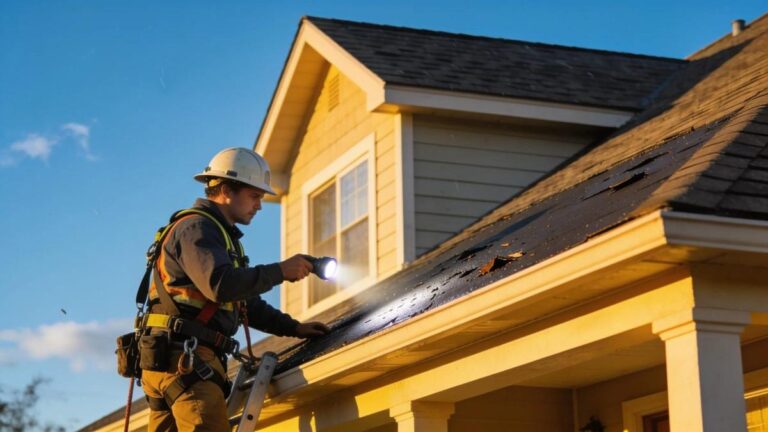
Put safety first, then limit further damage. Stay off a wet or damaged roof, look from the ground with binoculars, and check the attic for daylight, wet insulation or stained sheathing. Then protect what you can and write down what you did.
- Report the loss to your agent or insurer and record the claim number and the name of the claim representative.
- Cover openings with tarps or boards if you can do it safely from the ground or an attic hatch. A tarp stapled over a roof edge is a job for someone with fall protection.
- Keep receipts for tarps, plywood and any hotel stay. DOBI says to save all receipts or bills to submit with the claim.
- Hold off on permanent repairs until the adjuster has inspected. DOBI’s homeowner basics page says permanent repairs usually wait until after that inspection.
Nor’easters are most frequent between October and April, according to the Rutgers Office of the New Jersey State Climatologist, so late fall and winter are when many northern New Jersey roofs take hits. Document first, even when the weather makes repairs urgent.
How do you document roof damage so a claim holds up?
Photograph and video the damage from several distances before you touch anything, and keep a dated log. Adjusters compare what you show them against what they see, so the clearer your record, the fewer disputes about when and how the damage happened.
| Evidence | What to capture | Why it matters |
|---|---|---|
| Exterior wide shots | Each slope, chimney, vents, gutters, fallen limbs | Shows scale and cause |
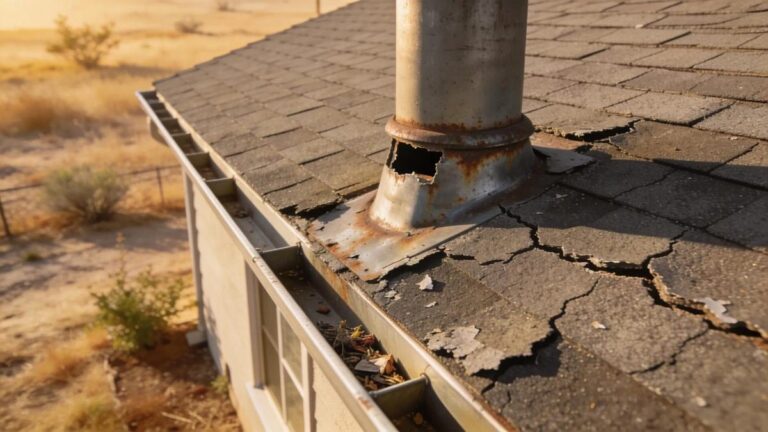
| Close-ups | Creased, missing or lifted shingles, bent flashing | Shows the type of damage |
| Interior | Ceiling stains, wet insulation, attic sheathing | Ties the roof opening to water entry |
| Date and weather | Storm date, wind reports, your notes | Supports a sudden-event claim |
| Debris | The damaged material itself | DOBI advises keeping it until the insurer inspects or releases it |
DOBI recommends photographing damaged property before disposing of it and asking the insurer how to proceed, because the company will usually want the damaged items available for inspection.
What happens when the insurance adjuster inspects the roof?
The insurer assigns a claim adjuster to inspect the damage and decide coverage. You should cooperate, keep written notes of every conversation and ask for a copy of the damage estimate. If any part of the loss is not covered, DOBI says the company must explain how coverage is excluded under your policy.
Some homeowners ask their roofer to attend the inspection so that someone can point to the specific slopes, flashing and underlayment questions. DOBI notes it sometimes helps to have your contractor speak directly with the claim adjuster. A contractor can explain what a repair involves, but the coverage decision belongs to the insurer, and the dollar figure on the insurer’s estimate is a separate document from any contractor’s written estimate.
You are also not required to use the contractor your insurer recommends. DOBI states this directly: the company may supply the name of a contractor who will do the work at the estimated price, but the choice is yours.
How do you read the insurer’s estimate and the repair estimate side by side?
Compare line by line, starting with scope. Insurer estimates sometimes list shingles and labor but omit items a particular roof needs, such as drip edge, step flashing replacement, pipe boots or rotted decking found after tear-off. DOBI advises reviewing the itemized settlement estimate with your contractor before accepting it.
Questions worth asking when the numbers differ:
- Does the insurer’s scope include the same number of squares (a square is 100 square feet of roof)?
- Are underlayment, flashing and ventilation components listed, or only the shingle surface?
- What is the plan if hidden damage turns up under the old roof covering?
- How is depreciation applied, and when is it released?
If you still believe the offer is unfair, check the policy’s dispute process. It may include an internal appeal or an independent appraisal.
Who else can help with a disputed claim?
Start by trying to resolve it with the insurer, then escalate to the state. DOBI’s Consumer Hotline is 1-800-446-7467 (8:30 am to 5:00 pm Eastern, Monday to Friday), and the Department accepts formal complaints through its Consumer Inquiry and Response Center.
Public adjusters are another option. DOBI explains that they are licensed by the Department, are hired by policyholders to appraise damage and negotiate claims, and are paid from the settlement, typically a percentage. State regulation requires that their contracts list the services and the maximum fee. DOBI also says public adjusters are not required to file or resolve a claim.
When does a claim make sense, and when is paying out of pocket smarter?
A claim makes sense when covered damage clearly exceeds your deductible. It may not when the repair is small, the roof is old enough that depreciation eats the payment, or the damage came from wear. Run the numbers on both the deductible and the possible effect on future coverage before you decide.
| Situation | Claim likely worthwhile? | Practical note |
|---|---|---|
| Tree through the roof deck | Usually yes | Large, sudden, clearly covered peril |
| A few wind-lifted shingles, high deductible | Often no | Repair may cost less than the deductible |
| Slow leak from worn flashing | Rarely | Typically treated as maintenance |
| Full storm damage across several slopes | Often yes | Document each slope separately |
| Roof near the end of its life | Depends | Depreciation may cut an actual cash value payment sharply |
For repair scope on storm-damaged roofs in Morris County, see storm damage roof repair. If the roof is simply worn out, roof replacement explains what a full tear-off involves.
What does permanent repair look like after the claim is approved?
Once the insurer approves, get a written contract before work starts. The New Jersey Division of Consumer Affairs requires written contracts above $500 with the contractor’s registration number, start and completion dates, a description of the work and the total price. It also says to avoid contractors who ask for more than a third of the payment before work begins, and that final payment should wait until the work is done and inspections are complete.
Ask for a lien waiver, and keep the contract, change orders and payment records together. If the insurer pays in stages, expect a first payment for the approved amount minus the deductible, with any withheld depreciation released after the work is finished and documented.
Replacing roof covering on a detached one- or two-family home is classed as ordinary maintenance under the Uniform Construction Code, which means no construction permit or inspection, though the work must still meet code. Our guide to roofing permits in New Jersey explains where that rule stops.
To talk through scope on a damaged Morris County roof, request a free written estimate. Hidalgo Brothers works on residential roofing, siding, gutters and decks across Morris County and neighboring counties.
Frequently asked questions
How long do you have to report roof damage to your insurer?
Report it as soon as you reasonably can. Policies set their own notice and filing deadlines, and waiting can also make it harder to prove the damage came from one event. DOBI advises calling your agent or insurer promptly. Check your policy for the exact timing, and ask the insurer to confirm any deadline in writing.
Should you get a roofer’s estimate before calling your insurance company?
It is not required. Report the loss first, since prompt notice protects you. A roofer’s written estimate is useful for comparing against the insurer’s figure, and some homeowners collect one while waiting for the adjuster. Neither document replaces the other, and the insurer decides coverage.
Can you make repairs before the adjuster comes?
Make only the temporary repairs needed to stop further damage, such as tarping, and keep receipts. DOBI notes that permanent repairs usually wait until the adjuster has inspected. Hold on to damaged shingles or other material until the insurer inspects it or says it can be discarded.
Do you have to use the contractor your insurance company suggests?
No. DOBI states you are not required to use the company’s recommended contractor. You may hire any contractor you choose. Check that the contractor is registered with the Division of Consumer Affairs, get a written contract, and compare scope against the insurer’s estimate before signing.
What if my claim is denied or the payment seems too low?
Ask the insurer to explain in writing how the policy excludes the loss. Review the itemized estimate with a contractor, then follow the policy’s appeal or appraisal process. If that fails, DOBI’s Consumer Hotline is 1-800-446-7467, and you can file a formal complaint with the Department.
Does a roof claim cover flood damage?
No. Flood insurance is not part of standard homeowners policies. It comes from the National Flood Insurance Program or a private flood insurer, and DOBI notes it is not effective until 30 days after it is sold. Wind and falling-tree damage fall under the homeowners policy instead.
Sources and further reading
- NJ Department of Banking and Insurance: Guidance on Filing Insurance Claims for Storm-Related Damage (accessed 2026-11)
- NJ Department of Banking and Insurance: Home Insurance Basics (accessed 2026-11)
- NJ Division of Consumer Affairs: Hiring Home Improvement Contractors (accessed 2026-11)
- NJ Department of Community Affairs: Significant Changes to Minor Work and Ordinary Maintenance (accessed 2026-11)
- Rutgers Office of the NJ State Climatologist: New Jersey Climate Overview (accessed 2026-11)