Asphalt Shingle Roofing Pros and Cons for New Jersey Homeowners
Why do most homes have asphalt shingle roofs?
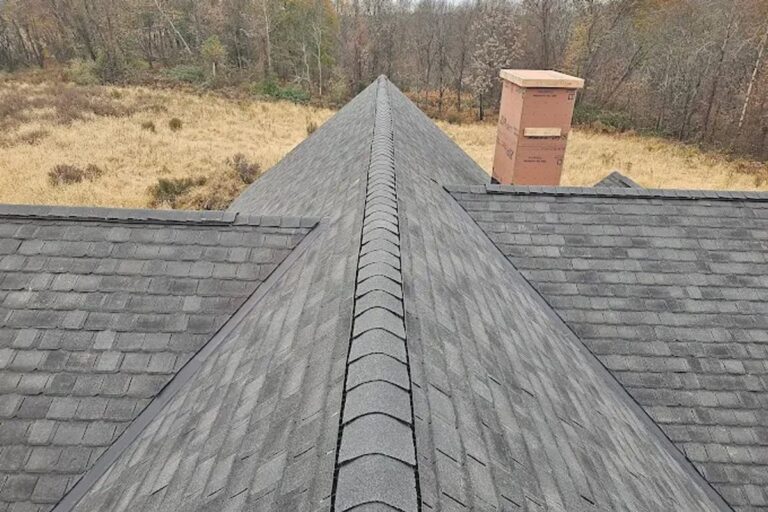
Most homes have asphalt shingles because they combine reasonable cost, wide availability, fire resistance, easy repair and a service life that satisfies most owners. The Asphalt Roofing Manufacturers Association (ARMA) says four out of five homes in the United States are roofed with them, and that shingles are made in volumes covering more than 5 million homes a year.
Popularity is not proof of fit for your house. The same product that suits a 6:12 gable can be wrong for a low porch roof or a heavily shaded north slope. This guide lists the real advantages with sources, then the limits that should push some owners toward another system.
For the service itself, our roof installation page explains how we approach a new roof, and our roof replacement page covers tear-off jobs. Hidalgo Brothers works on residential roofing, siding, gutters and decks; other roof types such as slate are specialist work, so ask whether a specific job fits.
What are the main advantages of asphalt shingles?
The advantages are availability, fire class, repair access, style range and a track record. Each has a specific basis.
- Fire rating. ARMA says shingles carry Class A, B or C fire ratings, with Class A providing the greatest fire resistance, and that independent agencies test them to national standards. Check the label for the class of the exact product you are considering.
- Repair access. Damaged shingles can be replaced individually, so a wind-creased corner does not mean a whole new roof.
- Reroofing flexibility. ARMA notes shingles can often be installed over an existing roof, subject to local limits, though the building code restricts it, and a full tear-off exposes the deck for repair.
- Choice of looks. Strip and laminated shingles come in many colors and textures, so a house can match its neighborhood or its trim.
- Familiar installation. Crews across the country know the materials and details well, which helps with scheduling and parts.
- Life expectancy. ARMA treats a residential roof over 20 years old as a prime reroofing candidate, which gives a practical planning horizon.
Source for several of these points: the ARMA FAQ page.
Where do asphalt shingles fall short?
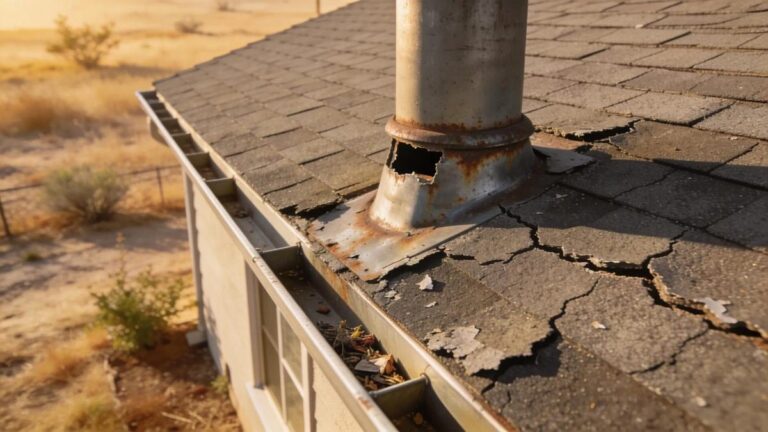
Shingles are limited by slope, weather exposure and age. None of these rules them out, but each should be checked on your own roof.
| Situation | Fit | Why |
|---|---|---|
| Roof pitch 4:12 or steeper | Good fit | Code allows a single underlayment layer |
| Pitch from 2:12 to 4:12 | Possible with double underlayment | Water moves slowly; the 2021 IRC requires extra underlayment |
| Pitch below 2:12 | Not allowed | The code limits shingles to 2:12 and steeper; use a low-slope membrane |
| Poorly vented attic | Weak fit until fixed | Heat and moisture shorten life and feed ice dams |
| Roof facing heavy tree cover | Needs upkeep | Debris holds moisture and wears granules |
| Very old deck or multiple prior layers | Needs tear-off | A recover is not allowed over two or more applications |
The slope and underlayment rules come from the 2021 International Residential Code at UpCodes’ New Jersey viewer. If you have a flat or nearly flat roof section, our post on flat roof materials explains the alternatives.
How do shingles handle New Jersey weather?
They handle it well when installed and ventilated correctly, and poorly when they are not. The Rutgers state climatologist’s office reports 40 to 50 inches of snow a year in the Northern Zone, about 25 to 30 thunderstorms in most areas, and nor’easters most often from October through April. Rutgers’ overview is the source for these figures.
Ice dams are the main winter issue. ARMA says improper ventilation can cause them and that proper attic ventilation can eliminate them: heat leaking past the insulation melts snow, and the water refreezes at the cold eave. The code also requires an ice barrier where the average January temperature is 25 degrees F or lower, running at least 24 inches inside the exterior wall line.
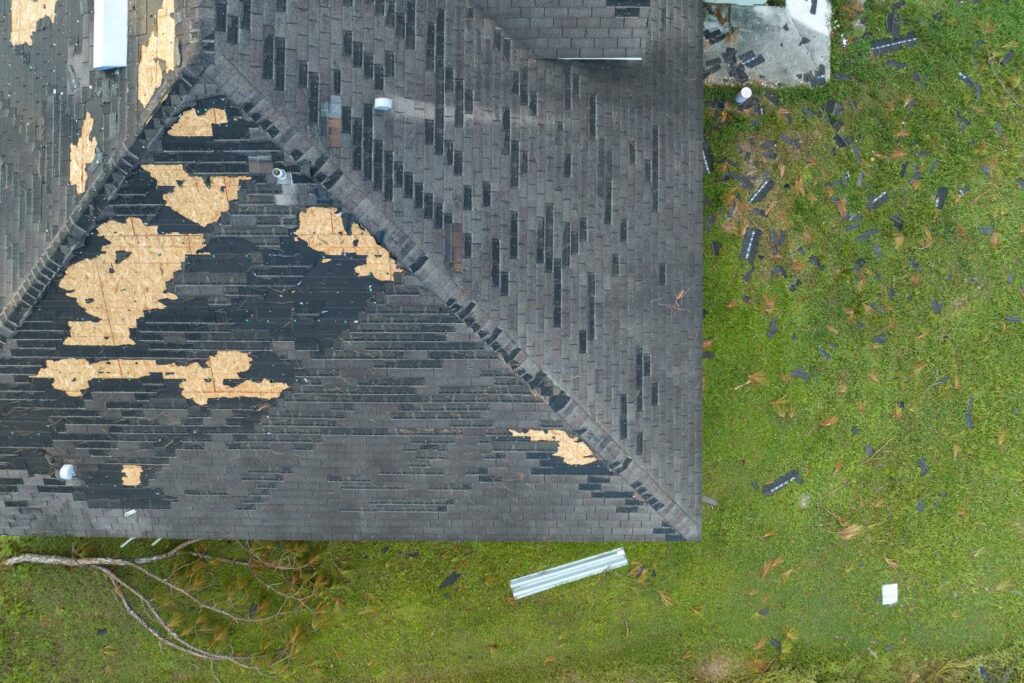
Wind and hail are the summer concerns. The Insurance Institute for Business and Home Safety found in its research on asphalt shingle durability that sealant strength is a critical factor in resisting wind damage. Install shingles in conditions that let the sealant bond, and check the wind class on the product.
What makes one shingle roof last longer than another?
Four factors do most of the work: ventilation, installation quality, shingle specification and upkeep. The shingle itself is only one of them.
- Ventilation. ARMA says ventilation needs intake at the soffit or lower edge and exhaust near the ridge, with nothing blocking the path. It removes attic heat and moisture, which helps extend roof life.
- Installation. The 2021 IRC sets at least four fasteners per strip shingle, and the manufacturer’s instructions control. Nail placement, starter courses and flashing details determine whether a roof meets its potential.
- Specification. Wind class, laminated versus strip construction and warranty terms differ from product to product. Compare them using our guide to architectural and 3-tab shingle specs.
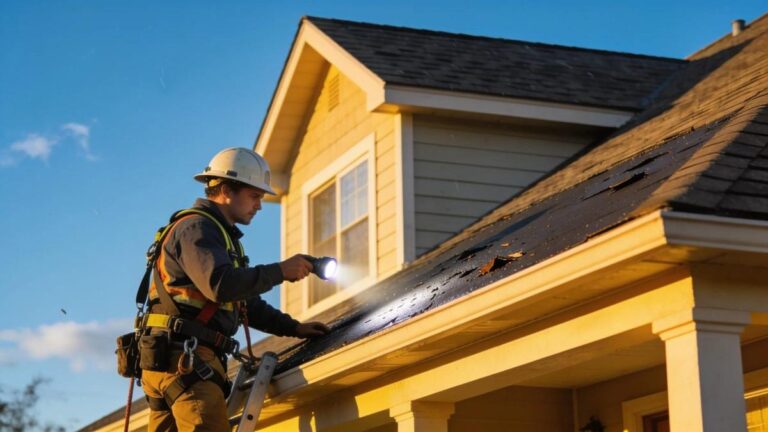
- Upkeep. ARMA says a roof should be examined in spring and fall, and flashings are the most vulnerable points. Clear gutters and trim branches.
Consider the alternatives honestly. Other roof types can last longer or perform better in specific cases, but they cost more and need specialist installers. Asphalt shingles remain a sensible default when the roof pitch, structure and budget fit.
How does a shingle roof affect energy use and comfort?
The shingle itself matters less than the attic. ARMA says ventilation reduces cooling loads in summer, and it notes that attic heat can enter the living space and strain air conditioning. Insulation at the ceiling level keeps heated air from reaching the roof deck in winter.
If you are replacing a roof, the easiest moment to fix ventilation is during tear-off, when soffits and ridge are exposed. Ask your roofer to check intake and exhaust paths and to explain what will be changed. Our roof inspections and maintenance page can help evaluate an existing roof before you decide.
Cool-roof shingles exist, but benefits depend on climate and color. In northern New Jersey, where snow cover and cold months dominate, color choice is usually a style decision more than an energy one.
What should you decide before buying a shingle roof?
Settle the roof’s pitch, ventilation, wind needs and budget first. Then compare written proposals that name products and details, rather than choosing on price alone. A proposal should show shingle line and color, underlayment, ice barrier, flashing, ventilation plan, deck repair terms and cleanup.
For homeowners in towns such as Denville, our page on roofing in Denville shows the area we serve, and you can ask for a written estimate on our contact page.
Frequently asked questions
Are asphalt shingles a good roof for New Jersey?
Yes, for most pitched roofs, provided attic ventilation, an ice barrier at the eaves and correct installation are in place. The state’s snow, freeze-thaw cycles and thunderstorms are manageable with a well-built system, and shingles are easy to inspect and repair, which matters in a climate with seasonal wear.
What is a Class A fire rating on shingles?
It is the highest of three classes, A, B and C, that shingles can earn through standardized fire testing by independent agencies, according to the Asphalt Roofing Manufacturers Association. Class A offers the greatest fire resistance. Check the product label, since not every shingle carries the top class.
Can shingles be used on any roof?
No. The 2021 International Residential Code allows asphalt shingles only on roofs sloped 2 units vertical in 12 horizontal or steeper, and requires double underlayment between 2:12 and 4:12. Below 2:12 you need a low-slope membrane system instead.
How long should an asphalt shingle roof last?
Many last around 20 years or more, but there is no fixed number. The Asphalt Roofing Manufacturers Association treats a roof past 20 years as a prime reroofing candidate. Ventilation, installation, weather and maintenance all change how long a particular roof lasts.
Is it better to repair or replace a shingle roof?
Repair suits limited damage on a roof with years left. Replacement suits widespread wear, repeat leaks or soft decking. A roofer can check the deck and shingles for brittleness. If you are unsure, get a written assessment before committing to either path.
Do asphalt shingles need special care in winter?
Keep gutters and eaves clear, watch for ice dams and ensure the attic is ventilated and insulated. Avoid chipping ice off shingles, which can damage them. If snow loads or leaks worry you, a professional can check the roof safely.
Sources and further reading
- Asphalt Roofing Manufacturers Association: Frequently asked questions (accessed 2026-11)
- Asphalt Roofing Manufacturers Association: Attic ventilation important for cold and warm climates (accessed 2026-11)
- Asphalt Roofing Manufacturers Association: Spring roof inspection a must for property owners (accessed 2026-11)
- UpCodes: 2021 International Residential Code, Chapter 9 Roof Assemblies (accessed 2026-11)
- Rutgers Office of the New Jersey State Climatologist: New Jersey climate overview (accessed 2026-11)
- IBHS: Asphalt shingle durability (accessed 2026-11)